European Bibliotherapy Conference: How Can Literature Help Us Better Understand Ourselves?
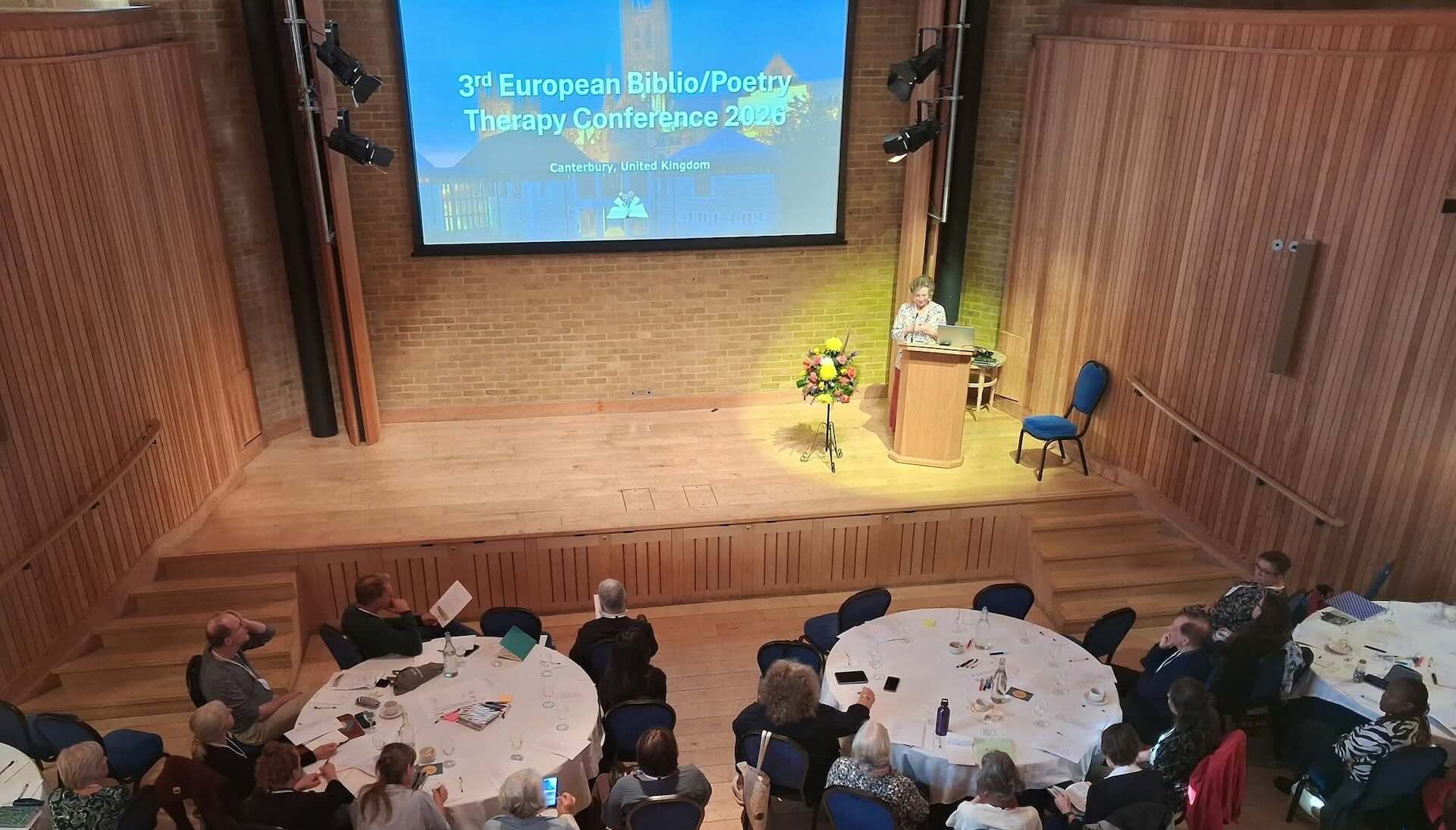
Can reading literature help us better understand our emotions, experiences and life situations? The potential of literature in education, emotional development and mental health was among the topics discussed at the 3rd European Biblio/Poetry Therapy Conference, held on 1–2 October 2026 in Canterbury, United Kingdom.
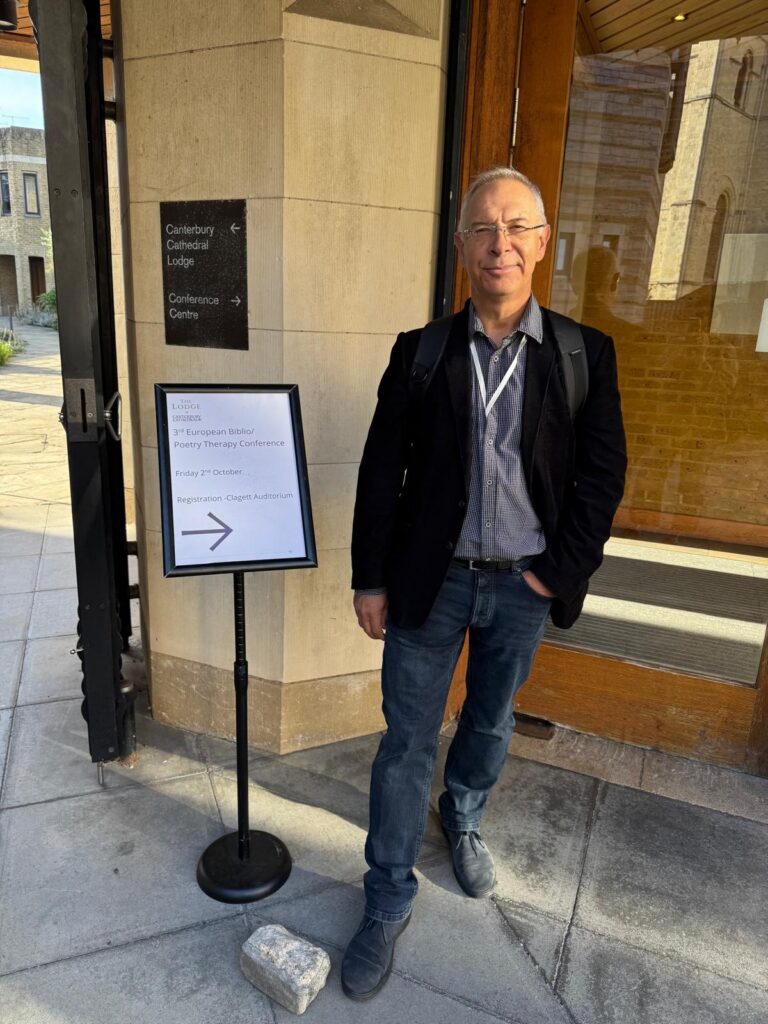
The conference, entitled Pilgrims of the Page, brought together researchers, experts and practitioners from various countries who explore how literature can help people better understand their personal experiences and emotional responses. Among the participants was Professor Davor Piskač, PhD, leader of the Innovations in Reading and Teaching Literature project (NPOO 5806), whose research focuses on reflective bibliotherapy and approaches to developing a deeper understanding of literary texts.
The programme included academic presentations, practical workshops and professional discussions exploring different approaches to bibliotherapy. Particular emphasis was placed on the emotional experience of reading, meaning-making, reflective processes and the potential applications of literary texts in educational, social and therapeutic contexts.
Key thematic sessions included Finding Meaning, Frameworks, Models & Approaches, Bibliotherapeutic Reading: Being Various and Frameworks for Meaning. These sessions explored a range of theoretical models, methodological approaches and practical experiences in bibliotherapy.
Opportunities for New Research Collaboration
The international exchange of scientific ideas and the opportunity to establish contacts for future research collaboration are among the key benefits of participating in events of this kind.
Professor Piskač discussed with international colleagues the possibilities of integrating different bibliotherapeutic models, including his own approach to reflective bibliotherapy, which is based on three stages of reading: experiential, analytical-interpretative and reflective.
Among the most significant encounters, Piskač highlighted his exchange of ideas with researcher Tomomi Yamashita, who is developing the Narrative Resource Model. This model offers potential connections with Piskač’s research into metaphorical structures and the metaphorical horizon. Their discussions opened up opportunities for further developing a shared theoretical framework and for future empirical evaluation of bibliotherapeutic methods.
Participation in the conference is also significant for the further development of research within project NPOO 5806. Exploring contemporary European approaches and exchanging methodological experiences create opportunities to develop standardised procedures for reflective reading.
Particularly relevant are questions concerning the distinction between psychoeducational and psychotherapeutic applications of bibliotherapy, as well as the development of methods that enable the safe exploration of emotions and personal meanings through literary texts.
Professor Piskač’s participation contributes to the internationalisation of project NPOO 5806, strengthens its academic visibility and connects the project’s research with current European developments in bibliotherapy and reflective reading.
More information about the conference is available on the official conference website.